
Low-Mess Lunches for Commuters and Students
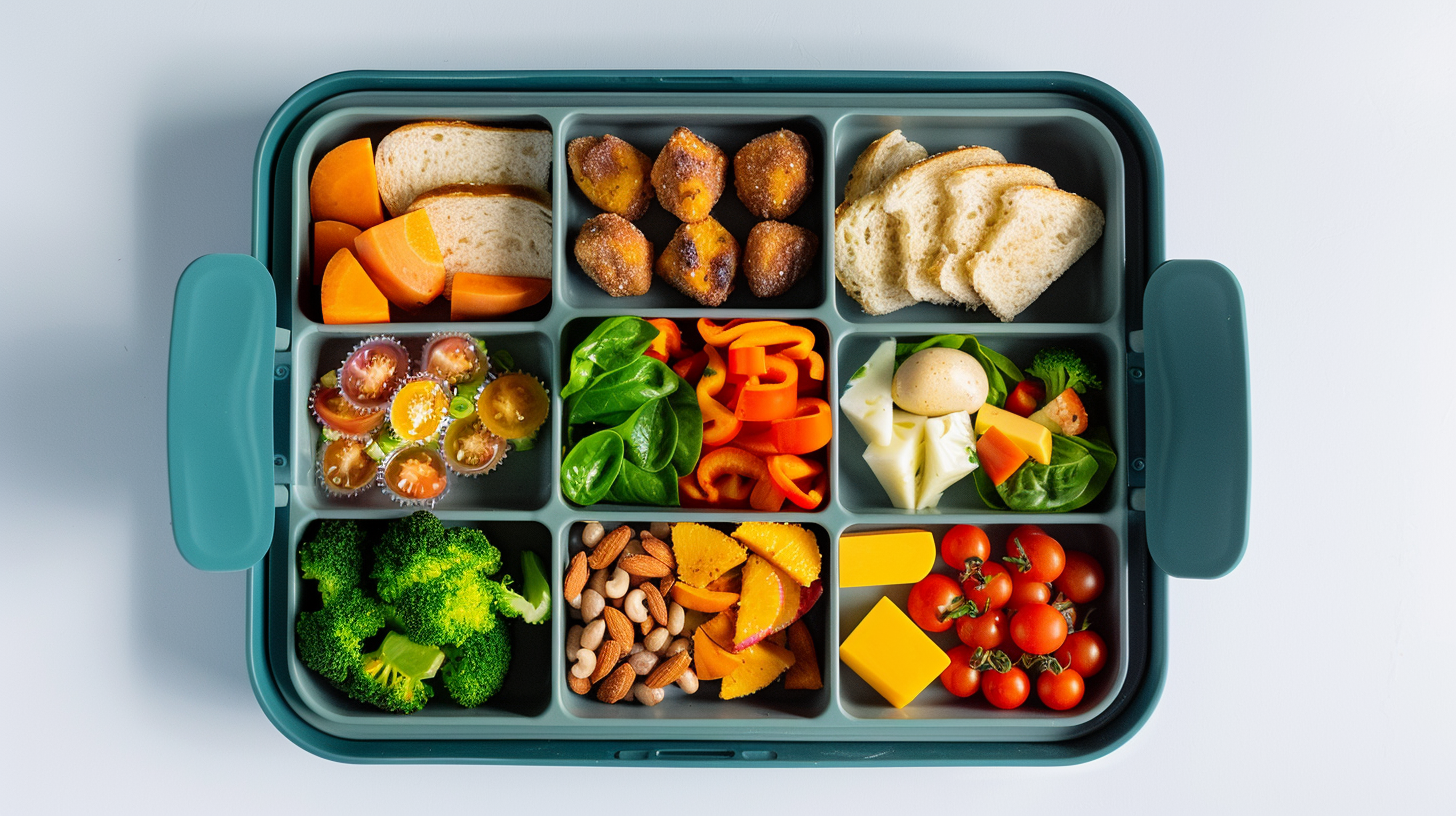
Commutes and crowded schedules need lunches that are easy to carry and easy to eat. This article focuses on portable meal formats that reduce leaks, spills, and stress while still keeping nutrition and variety in place.
Framework Before Recipes
The most consistent lunch routines are built on process. Start with a predictable structure: one base, one protein anchor, two produce components, and one flavor finish. This gives you a stable method that still allows variation. When process is stable, weekly execution becomes easier and less stressful.
Use categories, not random ideas. Category planning helps shopping, prep timing, and storage decisions. If you know your lunch needs one warm component and one fresh component, you can prepare both without overthinking each day.
Weekly Planning Steps
- Pick two core proteins that fit your schedule.
- Choose one main base and one backup base.
- Select produce for both crunch and cooked texture.
- Prepare one mild sauce and one bolder option.
- Define a Friday leftovers plan to reduce waste.
This five-step method improves consistency and lowers decision fatigue across the workweek.
Prep Workflow for Busy Homes
Run tasks in parallel whenever possible. Start long-cooking items first, then complete no-cook components while those items cook. Keep containers and tools staged before you begin. A staged setup can save significant time each week and reduce friction on tired evenings.
If your schedule changes unexpectedly, use a partial-prep model: prepare three complete lunches and keep quick assembly options for remaining days. This keeps quality high without overcommitting.
How to Keep Lunch Quality High
- Separate dressings and sauces to protect texture.
- Use fresh finishing elements like herbs or citrus.
- Reheat dense components separately when needed.
- Track which combinations hold up best by day three.
Quality usually depends on storage habits and assembly timing, not on expensive ingredients.
Common Mistakes to Avoid
A frequent issue is overbuying variety without a plan for each item. Another common issue is preparing large amounts of one flavor profile and losing interest quickly. Avoid both by setting roles for every ingredient and rotating flavor finishes through the week.
Also avoid oversized portions that come back half-finished. Portioning based on actual appetite patterns improves both satisfaction and cost control.
Practical Example Set
Example A: grain bowl + protein + crisp vegetables + yogurt sauce. Example B: wrap kit with separate crunch topping and sauce cup. Example C: lunchbox with a warm compartment and a cold compartment. These patterns can be repeated with different ingredients and still feel fresh.
Use the same containers and assembly flow each week. Operational consistency is a major reason strong lunch routines survive busy periods.
Execution Plan You Can Repeat
A strong lunch routine depends on a fixed execution rhythm. Choose one planning block, one prep block, and one pack block each week, then keep them at consistent times. For example, planning on Saturday evening, prep on Sunday afternoon, and packing on weekday nights creates a cycle that is easier to maintain than doing everything in one long session. Repetition lowers decision fatigue and makes quality easier to protect.
During planning, define exact outputs before shopping: how many lunches, what portion size, and what backup option you will use if a day becomes unpredictable. During prep, prioritize tasks by shelf life and texture sensitivity. Components that lose texture quickly should be assembled closer to serving day, while stable components can be prepared in larger batches. During packing, use a simple quality checklist: protein included, produce included, flavor finish included, and container fit verified.
This repeatable workflow is more reliable than relying on motivation. Even when your week is crowded, a pre-defined system keeps you from starting from zero. Over time, you can improve the plan by tracking what was eaten fully, what was partially eaten, and what returned home untouched. Those observations are more valuable than generic tips because they reflect your real routine.
How to Adapt in Busy Weeks Without Losing Quality
Most people do not fail lunch prep because they lack ideas. They fail because their system cannot adapt when energy, time, or schedule changes. Build adaptation rules in advance. Rule one: reduce variety before reducing structure. If time is short, keep one lunch format and rotate only one element, such as sauce or produce. Rule two: keep one emergency shelf-stable backup so you avoid skipping lunch when prep is interrupted. Rule three: define a minimum viable prep session of 30 to 40 minutes that still delivers at least two complete lunches.
Use a two-tier model for resilience. Tier one is your full plan for normal weeks. Tier two is your reduced plan for heavy weeks. The reduced plan should still include balanced components and food safety basics, but with fewer steps. This protects consistency and prevents all-or-nothing behavior. In practice, consistency is what improves outcomes, not occasional perfect weeks.
Finally, review results briefly each Friday. Note one thing that worked, one friction point, and one small change for next week. Tiny operational improvements compound quickly. Within a month, most readers can cut wasted ingredients, shorten prep time, and improve lunch satisfaction without buying specialized equipment or using complex systems.
Final Takeaway
Low-Mess Lunches for Commuters and Students becomes easier when the system is clear: plan in categories, prep in sequence, and store with intention. Start with one practical format, use it for two weeks, and refine based on your real schedule.
Continue reading: Smart Grocery Lists for Weekly Lunch Prep or return to the full article hub.