
30-Minute Lunch Recipes for Busy Weeknights
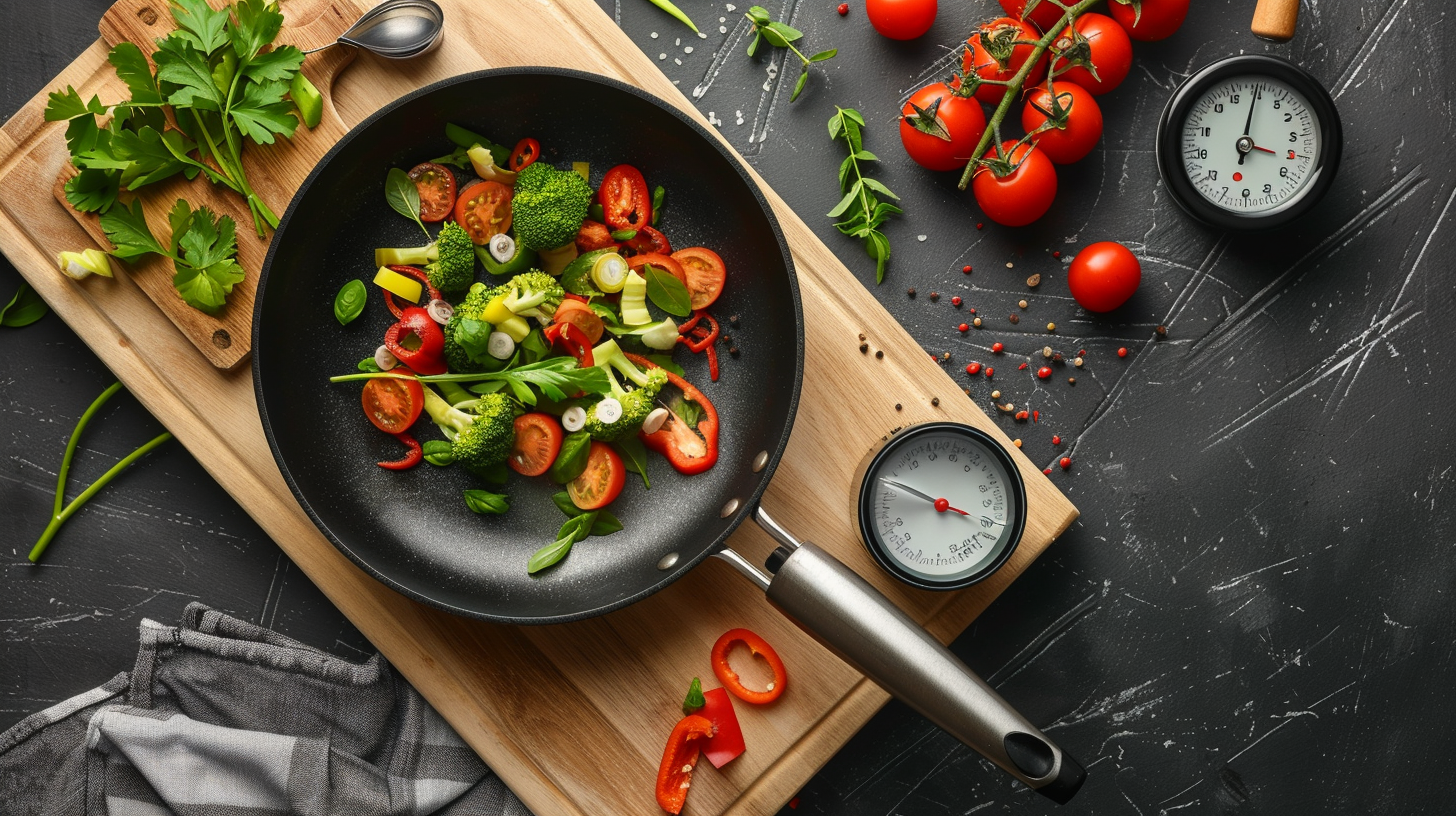
When weeknights are packed, lunch prep often feels optional. The result is predictable: rushed mornings, expensive takeout, and low-quality meal decisions. A 30-minute lunch prep method can change that, but only if it focuses on workflow rather than complex recipes. This guide explains how to cook practical lunches in half an hour by using parallel tasks, smart ingredient choices, and repeatable assembly patterns.
Understand the Real 30-Minute Goal
The target is not a perfect gourmet meal in 30 minutes. The target is a complete, balanced lunch setup that is good enough to repeat consistently. Time-efficient prep means choosing methods that reduce decision load, not trying to do everything from scratch every night.
In practice, 30-minute prep usually includes one hot component, one fast base, and one no-cook fresh element. If you can execute this pattern three times per week, your overall lunch quality improves dramatically.
The Fast Lunch Framework
- Choose a fast-cooking base: couscous, quinoa, microwaveable grains, or tortillas.
- Cook one protein quickly: eggs, thin chicken strips, tofu cubes, canned fish, or beans.
- Add one fresh component: chopped vegetables, greens, or fruit side.
- Use a prepared flavor booster: yogurt sauce, vinaigrette, pesto, or spice blend.
- Pack immediately after brief cooling.
This framework keeps quality high while limiting steps.
Parallel Cooking: The Key Skill
Most time waste happens when tasks are done sequentially. Parallel cooking solves that. Start the base first, then begin protein while the base cooks. During protein cooking, prep fresh components and sauce. By the time hot elements finish, the rest is ready. One simple timeline:
- Minute 0-5: start base and preheat pan.
- Minute 5-15: cook protein.
- Minute 10-20: chop fresh vegetables and prepare sauce.
- Minute 20-30: assemble, cool briefly, and pack.
Ingredient Strategy for Speed
Speed depends more on ingredient selection than knife skills. Keep these categories ready each week:
- Fast base options: pre-cooked rice packs, couscous, whole-grain wraps.
- Quick proteins: eggs, pre-cooked chicken, canned beans, tofu, tuna.
- No-cook produce: baby spinach, cucumbers, cherry tomatoes, shredded carrots.
- Flavor shortcuts: lemon juice, spice mixes, tahini, yogurt, salsa.
If these ingredients are available, weeknight lunch prep becomes predictable and fast.
Five 30-Minute Lunch Ideas
1) Chicken Wrap Box: pan-cook thin chicken strips, fill wraps with chicken and slaw, pack yogurt sauce on the side.
2) Bean Grain Bowl: warm pre-cooked grains, add seasoned beans, cucumbers, and lemon dressing.
3) Egg Fried Rice Shortcut: use leftover rice, scramble eggs, add frozen mixed vegetables, finish with soy-lime sauce.
4) Tofu Stir-Fry Box: quick-sear tofu cubes, add frozen broccoli, pack with couscous and sesame dressing.
5) Tuna Chickpea Salad Box: combine tuna and chickpeas with chopped vegetables, olive oil, and lemon.
How to Keep Quality High Under Time Pressure
Quick meals can still taste excellent when texture and finishing are considered. Keep crunchy toppings separate. Add fresh herbs or citrus at the end. Avoid overcooking proteins by using thinner cuts and shorter cook times. For reheating, pack moisture support such as a spoon of broth or sauce to prevent dryness.
You can also improve quality by rotating flavor profiles across the week. Use Mediterranean seasoning one day, mild curry profile the next, and a citrus herb profile later. Same workflow, different flavor identity.
A Repeatable Nightly Routine
Consistency is easier when decisions are pre-made. Use a fixed nightly checklist:
- Choose tomorrow's base from two options.
- Select one protein based on what is already thawed or ready.
- Pick one produce add-on from your refrigerator prep bin.
- Choose one sauce and one crunch topping.
This takes under two minutes and removes morning uncertainty.
Avoiding Burnout in Quick Meal Prep
Burnout happens when speed prep becomes monotonous. Prevent this with micro-variation: alternate serving style (wrap, bowl, lunchbox), rotate one new produce item weekly, and switch between warm and cold lunches. Keep the same operational structure so prep remains easy, but refresh one or two elements to maintain interest.
Common 30-Minute Prep Mistakes
- Using recipes with too many cook stages.
- Not staging tools and ingredients before cooking.
- Overrelying on one protein until flavor fatigue appears.
- Packing hot food immediately and causing soggy texture.
- Skipping any produce component and losing meal balance.
Most mistakes are operational, not culinary. Better systems solve them quickly.
Set Up Your Kitchen for Speed Before You Start
Fast cooking begins before heat is turned on. Place containers, cutting board, knife, and measuring spoon in one station. Keep your most-used spices in reach and set your lunch containers open on the counter before cooking starts. This removes small pauses that add up across the week. If your kitchen is shared, define a temporary prep zone so tasks do not overlap with other household routines.
Tool setup also improves consistency. A medium skillet, one pot, one sheet pan, and one mixing bowl can handle most 30-minute lunch workflows. Limiting tools means faster cleanup, and fast cleanup is part of what makes quick prep sustainable.
Use Micro-Prep to Save Weeknight Time
Micro-prep means doing 10 to 15 minutes of preparation earlier so weeknight cooking stays within 30 minutes. Examples include pre-washing greens, slicing onions, mixing one sauce base, or portioning dry grains. These tasks are small but reduce friction significantly during busy evenings.
You can run a short micro-prep session twice per week instead of one long session. Sunday and Wednesday are common choices. This rhythm keeps ingredients fresher and helps you adapt to schedule changes. Micro-prep is ideal for readers who cannot commit to full batch cooking but still want reliable lunches.
A 60-Second Quality Check Before Packing
Before sealing containers, run a short checklist: does the lunch have a protein anchor, a produce component, a flavor element, and enough volume for your day? If one element is missing, add a quick backup like yogurt, fruit, or nuts. This one-minute check prevents underpowered lunches that lead to extra snacking or takeout later.
Final Takeaway
Fast lunch prep works when the method is clear. Choose quick ingredients, run tasks in parallel, and keep assembly structured. A dependable 30-minute routine can save money, improve weekday nutrition, and reduce stress without demanding complex cooking.
Next step: return to the full article hub and choose your next framework based on your schedule and priorities.