
How to Build a Balanced Lunch Bowl for Workdays
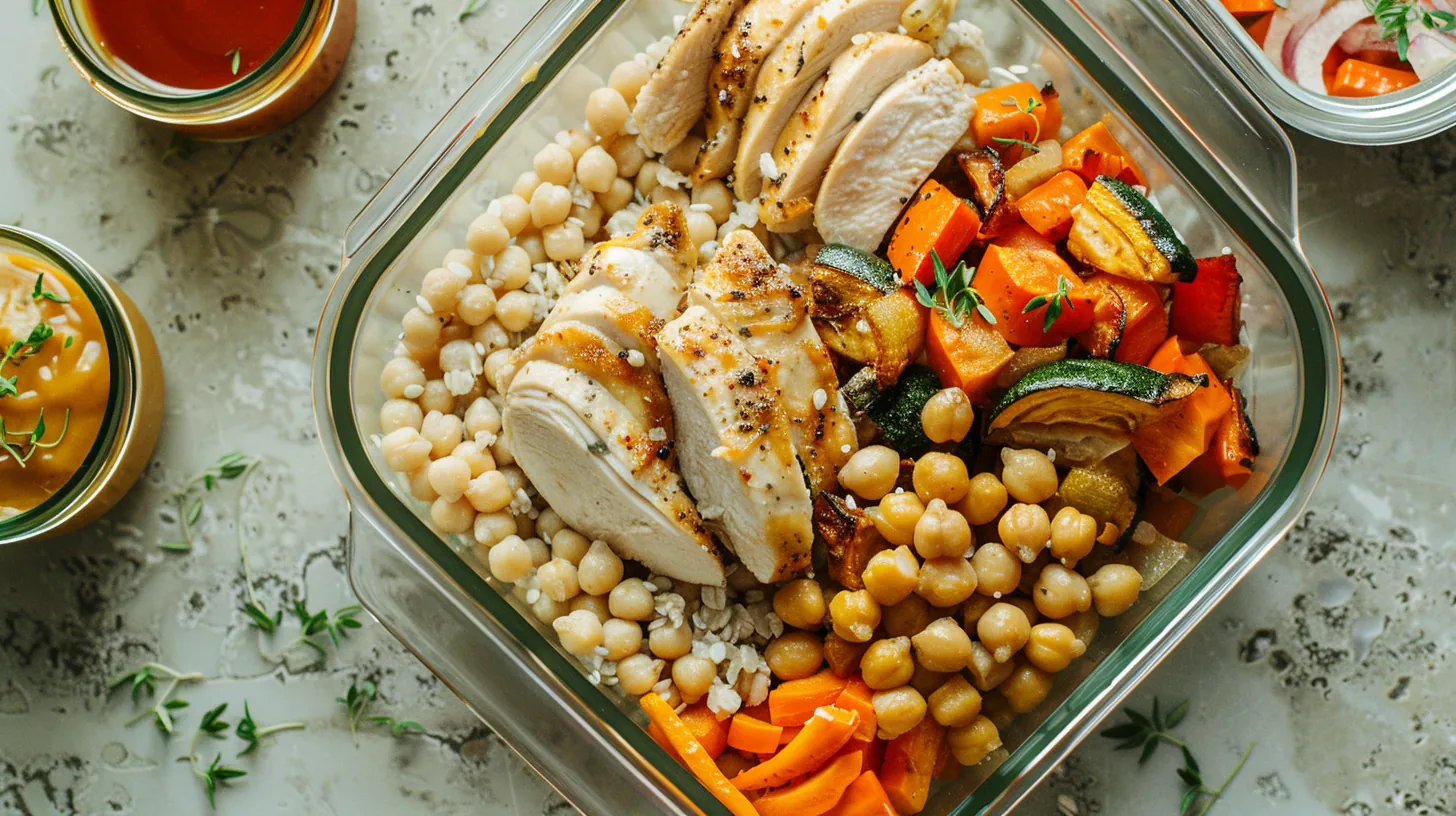
Many people want better lunches but run into the same problem: they do not have a reliable system. Without a framework, lunch becomes a daily decision that often gets pushed aside by meetings, commuting, and family tasks. A balanced lunch bowl solves this because it gives structure without removing flexibility. You choose one base, one protein, two vegetables, and one flavor component, then adjust portions based on appetite and schedule. This article explains how to build a bowl system that works through busy workweeks without feeling repetitive.
Why a Bowl Framework Works Better Than Random Meal Prep
Traditional meal prep advice sometimes assumes that people enjoy eating the exact same meal every day. In practice, most readers want consistency without monotony. A lunch bowl format helps because the assembly pattern stays stable while ingredients can rotate. You still get the efficiency of batch cooking, but small swaps create variety. For example, cooked brown rice can be used Monday with chickpeas and lemon dressing, then Wednesday with chicken and yogurt herb sauce. You are not starting from zero each day, and that is the real benefit.
Another advantage is portion control without strict measuring. Bowls make visual planning easier: half the volume from vegetables, one quarter from base grains or starch, and one quarter from protein, with a modest amount of sauce and toppings. This visual method is fast and sustainable for most households. Over time, you can fine-tune your portions depending on activity level and hunger patterns in the afternoon.
The 5-Part Bowl Structure
The simplest way to keep lunch planning practical is to use the same assembly order each time. Think of this as your internal checklist:
- Base: Grain, potato, pasta, or greens that provide volume and energy.
- Protein: Chicken, turkey, tofu, beans, lentils, eggs, fish, or dairy-based options.
- Vegetable layer one: A crisp or fresh component for texture.
- Vegetable layer two: A roasted, steamed, or sauteed component for warmth and depth.
- Flavor finish: Sauce, dressing, herbs, citrus, or crunch toppings.
When each bowl has these parts, your lunches feel complete. You avoid the common pattern where a meal looks large but still feels unsatisfying because it lacks enough protein or texture contrast. If one layer is missing, the meal usually feels flat by the second or third day.
How to Plan Five Workday Bowls in 20 Minutes
Before shopping, open a note app or paper list and decide three things: your base, your proteins, and your sauces. Keep the list short. One or two bases, two proteins, and two sauces are enough for a five-day cycle. Here is a practical planning example:
- Base: brown rice and chopped romaine.
- Proteins: baked chicken thighs and seasoned chickpeas.
- Vegetables: cucumbers, roasted carrots, cherry tomatoes, sauteed peppers.
- Sauces: lemon tahini and yogurt dill.
That plan can produce multiple combinations without extra work. Rice bowls can be warmed, while romaine bowls are better served cold. On days when time is limited, you can skip reheating and build a full cold bowl from the same ingredients. This flexibility matters more than chasing new recipes every week.
Efficient Prep Day Workflow
Batch cooking becomes easier when you stage your prep in lanes instead of jumping between tasks. Start with items that take longest in the oven or stove, then prepare no-cook ingredients while they cook. A simple sequence is:
- Start rice or grains first.
- Season protein and move it to oven or skillet.
- Roast one vegetable tray.
- Wash and chop fresh vegetables.
- Mix sauces in jars.
- Cool cooked food before packing containers.
Cooling food before sealing containers protects texture and helps with safer storage. Steam trapped in hot containers can create watery bowls and reduce quality. Small workflow details like this make a major difference by day four.
Texture and Flavor: The Difference Between Fine and Great
A lunch bowl can be nutritionally balanced and still feel disappointing if texture is ignored. Most satisfying bowls include a mix of soft, crisp, and creamy elements. For example, pair roasted sweet potato with raw cucumber and a spoon of yogurt sauce, then add toasted seeds for crunch. Texture contrast creates interest, especially in make-ahead meals.
Flavor balance also follows a simple model: salt, acid, fat, and freshness. Acid from lemon or vinegar brightens reheated food. A small amount of healthy fat from olive oil, tahini, nuts, or avocado carries flavor and helps satiety. Fresh herbs added right before eating can make a prepped lunch taste newly made. You do not need complicated ingredients, only deliberate combinations.
Storage Rules for Better Quality
Good prep can fail if storage is poor. Use containers with separate compartments or pack sauce in a small side cup. Keep crisp vegetables away from hot grains until serving time. If you prep for five days, use the first three days for seafood or delicate ingredients, and reserve sturdier proteins for later days. Label containers with day tags if your schedule is busy.
When reheating, warm only the components that benefit from heat. Fresh greens, cucumbers, and herb toppings should be added after heating. This preserves both flavor and texture. People often assume meal prep quality declines because of recipes, but storage and reheating technique are usually the real cause.
Common Mistakes and How to Fix Them
- Mistake: Too much dry base and not enough sauce. Fix: Add a measured sauce portion or include juicy vegetables.
- Mistake: Bowls taste bland by midweek. Fix: Keep a flavor booster box with lemon wedges, herbs, pickled onions, and seeds.
- Mistake: Portion feels heavy and causes afternoon slump. Fix: Increase vegetables and reduce dense starch slightly.
- Mistake: Prep takes too long every Sunday. Fix: Use one sheet-pan protein and one no-cook protein for speed.
Sample Five-Day Rotation
Monday: Brown rice, chicken, roasted carrots, tomatoes, lemon tahini.
Tuesday: Romaine, chickpeas, cucumbers, peppers, yogurt dill.
Wednesday: Rice, chicken, peppers, tomatoes, herb dressing.
Thursday: Romaine, chickpeas, carrots, cucumbers, lemon vinaigrette.
Friday: Mix-and-match leftover bowl with extra herbs and crunch topping.
This pattern gives variety while using mostly the same prep ingredients. It lowers food waste and makes shopping easier because you repeat a manageable ingredient set.
Final Takeaway
The best lunch system is not the most complex one. It is the one you can repeat without stress. A balanced bowl framework helps you make decisions quickly, improve consistency, and adapt to changing weeks. Start small: one base, two proteins, two vegetables, one sauce. Run the system for two weeks, observe what you actually enjoy, and adjust. Practical improvement comes from repetition, not perfection.
Next step: continue with our guide on budget meal prep for five workdays so your bowl system also stays cost-effective.