
Lunchbox Ideas for Families With Different Tastes
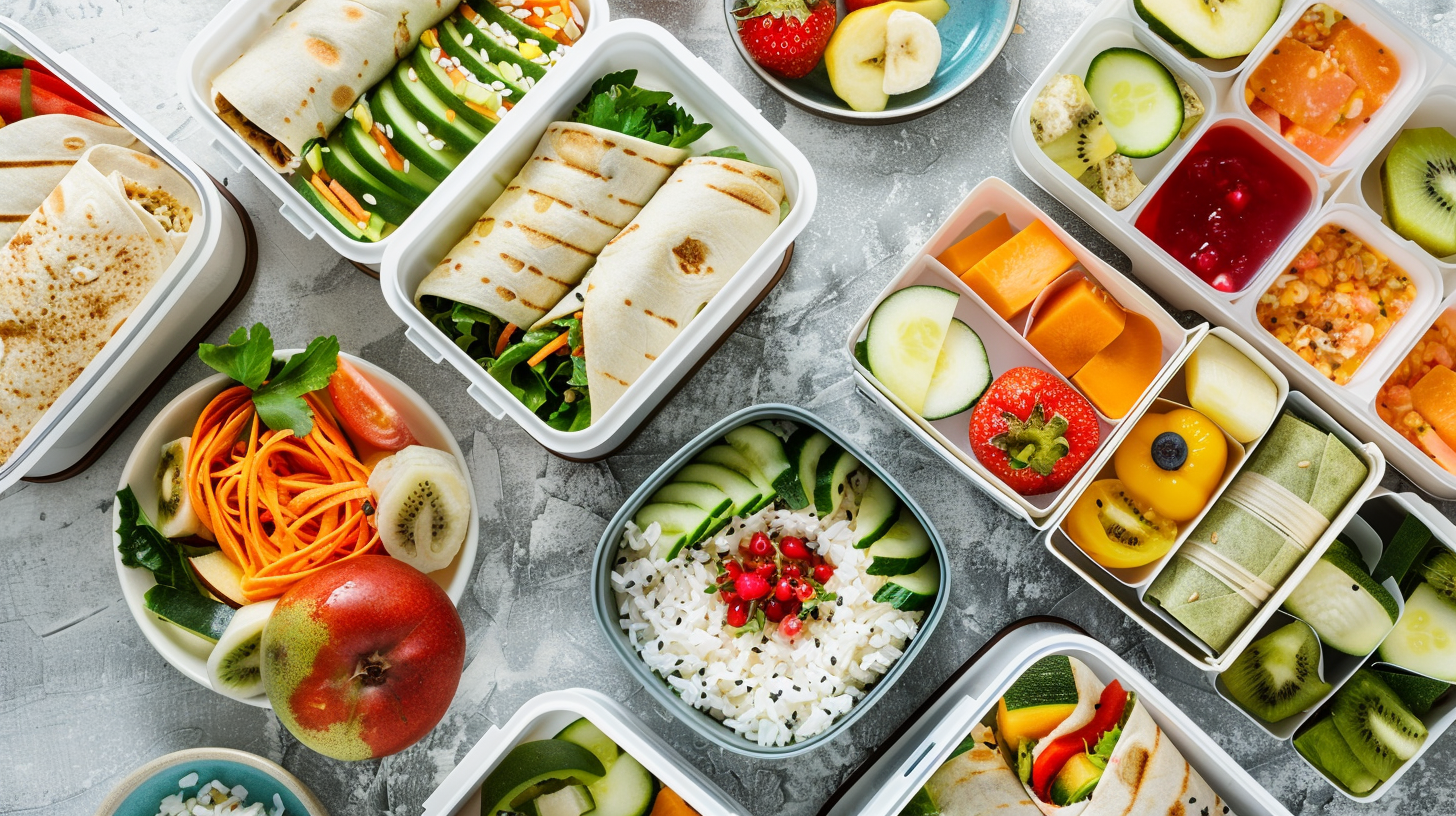
Family lunch prep gets complicated when everyone prefers different flavors, textures, and portions. A one-size plan often fails because one person dislikes spicy food, another avoids certain vegetables, and someone else needs a more filling meal. The solution is not cooking separate full meals. The better method is a base-plus-options system that creates variety from shared prep components. This article walks through a practical framework to reduce effort while meeting mixed preferences.
The Base-Plus-Options Method
Start with one neutral base that most family members accept. This can be rice, pasta, roasted potatoes, wraps, or grain salad. Next, prepare two protein options and two vegetable options. Then add flavor finishes separately. With this structure, everyone can assemble a personalized lunch from the same core ingredients.
Example: one pot of rice, grilled chicken strips, seasoned chickpeas, roasted carrots, sliced cucumbers, and two sauces. A child who prefers plain flavors can choose chicken and cucumbers. Another person can choose chickpeas and spicy sauce. The prep workload stays controlled while outcomes feel customized.
Use a Weekly Planning Grid
A simple weekly grid prevents morning chaos. Create columns for each family member and rows for Monday to Friday. Pre-select a likely combination for each lunchbox, then keep one alternate option ready for preference changes. This approach lowers decision fatigue and reduces rushed substitutions.
The planning grid is also useful for shopping. You can estimate realistic quantities by looking at who eats what. Over time, you will identify patterns, such as one person always choosing wraps and another preferring warm bowls. Better pattern awareness means less overbuying and less waste.
Five Component Categories for Reliable Variety
- Main base: rice, pasta, potatoes, tortillas, or hearty greens.
- Protein options: one animal-based and one plant-based where possible.
- Produce options: one cooked vegetable and one raw crunchy vegetable.
- Flavor boosters: mild sauce, bold sauce, herbs, citrus.
- Snack-side add-ons: fruit, yogurt, crackers, or nuts depending on age and needs.
When these categories are available, each lunchbox can be adjusted quickly without extra full-meal cooking.
Prep Workflow That Works for Families
Use an assembly-line workflow rather than cooking one lunchbox at a time. Prepare and cool all components first, then build lunchboxes in batches. Keep sauces and crunchy toppings separate to preserve quality. Label each container with initials and date. This helps avoid confusion and keeps mornings smoother.
If mornings are very tight, do full assembly the night before and store lunchboxes together in one refrigerator zone. Grouping lunch items by person in bins or shelf sections reduces last-minute searching and forgotten components.
Managing Taste Differences Without Extra Stress
Taste differences are normal. The key is separating seasoning from core ingredients. Cook proteins with neutral seasoning first, then add stronger sauces later for family members who want bold flavor. The same principle works for spice level: keep base food mild and provide heat options on the side.
You can also use a "new food + familiar food" approach. Include one familiar element in every lunchbox and rotate one new element weekly. This approach helps broaden preferences gradually, especially for younger eaters, without turning lunch into a daily battle.
Smart Portioning by Age and Routine
Portion needs vary by age, activity, and schedule. Instead of guessing each day, create three container sizes: small, medium, and large. Assign a default size to each family member and adjust when needed. This simple system helps with cost control and reduces food waste from oversized portions.
For highly active days, increase protein or add an extra snack-side. For lower-activity days, keep lunch lighter and focus on produce volume. Consistent portion strategy supports routine and improves satisfaction.
Sample Family Week Structure
Sunday prep: rice, baked chicken strips, bean salad, roasted zucchini, sliced peppers, two sauces.
Monday: rice boxes with chicken or beans, cucumbers, fruit side.
Tuesday: wrap kits with protein choice, slaw, yogurt dip.
Wednesday: warm bowls with roasted vegetables and sauce variation.
Thursday: mixed grain salad boxes with customizable toppings.
Friday: leftovers converted into snack-style bento with small portions.
This approach allows personalized lunches while limiting total prep complexity.
Reducing Waste in Multi-Person Lunch Prep
Waste increases when everyone gets identical portions regardless of actual appetite. Track what returns uneaten and adjust next week. Maintain a "save list" of frequently successful foods and a "low-return list" of foods often left unfinished. This gives your plan real feedback and helps improve over time.
Also keep one repurpose strategy ready, such as turning leftover roasted vegetables into pasta sauce or lunch wraps. Planned repurposing keeps extra food useful instead of forgotten.
Family Communication Makes Prep Easier
Spend five minutes once a week confirming preferences. Ask each person for one preferred lunch component and one item they want to avoid that week. This short check-in reduces conflict and improves lunch acceptance. When people feel heard, they are more likely to eat what is prepared.
Handling Dietary Needs Inside One Family Plan
Families often include mixed dietary needs, such as dairy-free, nut-free, higher-protein, or lower-spice preferences. The base-plus-options model can handle this when allergen-sensitive components are isolated and clearly labeled. Keep separate utensils for special components, use dedicated containers for allergy-sensitive meals, and document substitutions in your weekly grid. A little organization upfront prevents confusion during rushed mornings.
When possible, choose base ingredients that are broadly compatible and let finishing options create personalization. This avoids cooking multiple complete meals while still respecting individual needs. The goal is inclusive meal prep that remains practical for the person doing most of the preparation work.
Final Takeaway
Family lunch prep does not need separate recipes for every person. A shared-base, customizable-finish strategy delivers variety while protecting your time and budget. Build a repeatable system, track what works, and make small weekly adjustments. Over time, lunch planning becomes more predictable and far less stressful.
Next step: read 30-Minute Lunch Recipes for Busy Weeknights for faster cooking workflows.