
Safe Storage and Reheating for Packed Lunches
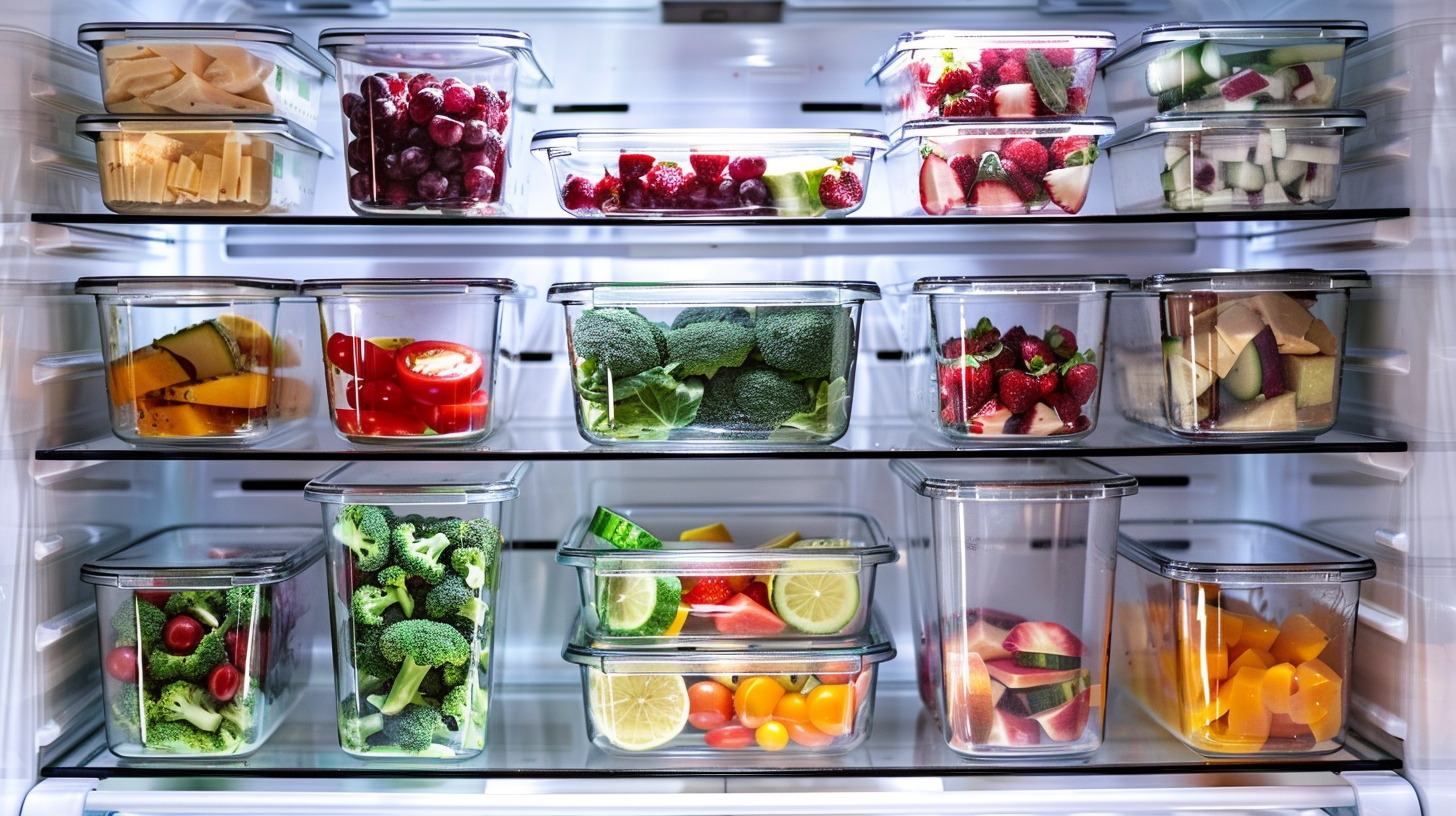
Meal prep only works when food stays safe and appetizing through the week. Many lunch problems are not about recipes. They come from storage habits: sealing food too hot, using the wrong container, or reheating everything in one cycle until textures collapse. This guide explains practical methods for cooling, storing, transporting, and reheating prepared lunches so they remain safe and enjoyable.
Core Principles for Safe Lunch Prep
There are three practical principles: control temperature, limit moisture problems, and separate components that age differently. Temperature control helps reduce risk. Moisture control preserves texture and flavor. Separation prevents crisp ingredients from becoming soggy and sauces from overwhelming meals before you are ready to eat.
Think of your lunch container as a small system. The way ingredients are arranged affects both quality and safety. Dry and wet elements should not always be mixed in advance. A simple divider or small sauce cup can dramatically improve outcomes, especially for salads, grain bowls, and mixed lunchboxes.
Cooling Food Correctly Before Storage
One common mistake is moving hot food directly into sealed containers and stacking it in the refrigerator. This traps steam, creates excess moisture, and slows cooling speed. A better process is to spread hot food in a shallow layer for a brief cooling window, then pack it once steam has mostly escaped. You do not need to leave food out for long periods. You only need enough time for visible steam to reduce.
For batch-cooked rice, proteins, and roasted vegetables, portion into shallow containers rather than deep bowls. Shallow containers cool more evenly. Label with prep date so rotation is easier. If you prep multiple dishes, put the earliest-use meals toward the front of your refrigerator for faster access and fewer forgotten containers.
Container Choice Matters More Than People Expect
Container quality influences leakage, texture, and convenience. A practical setup includes:
- Leak-resistant main containers for grain and protein portions.
- Small side cups for dressings or sauces.
- One compartment container for snacks or produce slices.
- A reusable insulated bag for transport.
Glass containers can hold heat and reheat evenly, while lightweight BPA-free plastic can reduce carrying weight. Either option can work if used correctly. The key is fit and function: tight seals, stackability, and easy cleaning. If containers are difficult to clean, consistency drops quickly because prep feels inconvenient.
Best Way to Assemble Lunches for Later Reheating
Separate meals into heat-friendly and fresh components. Heat-friendly components include grains, roasted vegetables, and cooked proteins. Fresh components include leafy greens, cucumber, herbs, and delicate toppings. Pack sauces separately and add after reheating. This prevents diluted flavor and keeps texture vibrant.
For soups or stews, leave expansion room in containers and avoid filling to the top. For wraps and sandwiches, store wet ingredients separately to keep bread from becoming soggy. For pasta salads, slightly underdress at prep stage, then add finishing dressing at lunch time for better flavor balance.
Transporting Lunch Safely to Work or School
Transport is often overlooked. If your commute is long or your workplace lacks immediate refrigeration, use an insulated bag with an ice pack. Keep the bag out of direct sunlight and avoid leaving it in a warm car. Small habits in transport can make a meaningful difference over time.
When possible, place the most temperature-sensitive items closest to the ice pack. If you carry yogurt sauces, seafood, or dairy-rich dishes, insulation becomes more important. Stable transport planning helps your lunch stay both safer and more enjoyable by the time you eat it.
Reheating Without Ruining Quality
Reheating is not just about making food hot. It is about restoring the meal. Microwave all-in-one reheating often overcooks proteins and softens vegetables too much. A better method is staged reheating:
- Heat dense components first, such as grains and proteins.
- Add moisture if needed, such as a spoon of broth or water to rice.
- Heat in short intervals and stir between intervals.
- Add fresh elements and sauce after heating.
This staged approach preserves texture and improves flavor. It also reduces the chance of cold spots in thick meals, which is a common issue when reheating quickly without stirring.
Practical Shelf-Life Planning
If preparing for five workdays, place your most delicate meals at the beginning of the week. Fish, tender greens, and fresh herb sauces are best early. More stable options such as roasted vegetables, grain bowls, and bean-based meals can be used later in the week. This simple sequencing keeps quality high and lowers waste.
Another useful technique is a two-stage prep. Cook core components on Sunday, then refresh one or two components midweek in 20 minutes. For example, prep grains and proteins on Sunday, then chop fresh vegetables and mix a new sauce on Wednesday. This keeps flavor fresh without requiring a second full prep session.
Daily Lunch Safety and Quality Checklist
- Was hot food cooled before sealing?
- Are sauce and crunchy toppings packed separately?
- Is transport insulated when refrigeration is delayed?
- Are containers dated and used in planned order?
- Are reheating steps staged instead of one long cycle?
If you can answer yes to most of these, your lunch prep system is already stronger than average. Good lunch quality is usually the result of repeatable habits, not complex cooking techniques.
Frequent Mistakes to Avoid
- Mixing dressings into salads too early.
- Packing steaming food and sealing immediately.
- Leaving lunch in a warm bag for long periods.
- Reheating proteins too aggressively until dry.
- Ignoring dates and losing track of container age.
Most of these mistakes are easy to fix with tiny process changes. Once fixed, readers usually notice better texture, stronger flavor, and more confidence in weekly prep.
Final Takeaway
Safe lunch prep does not require a complicated rulebook. It requires consistent habits: cool properly, separate components, transport carefully, and reheat with intention. When storage and reheating are handled well, your lunch quality remains stable through the week, and meal prep becomes far easier to maintain.
Next step: continue with Protein-Forward Vegetarian Lunches That Stay Full to broaden your lunch options while keeping prep practical.