
Meal Prep on a Budget: A 5-Day Lunch System That Actually Holds Up
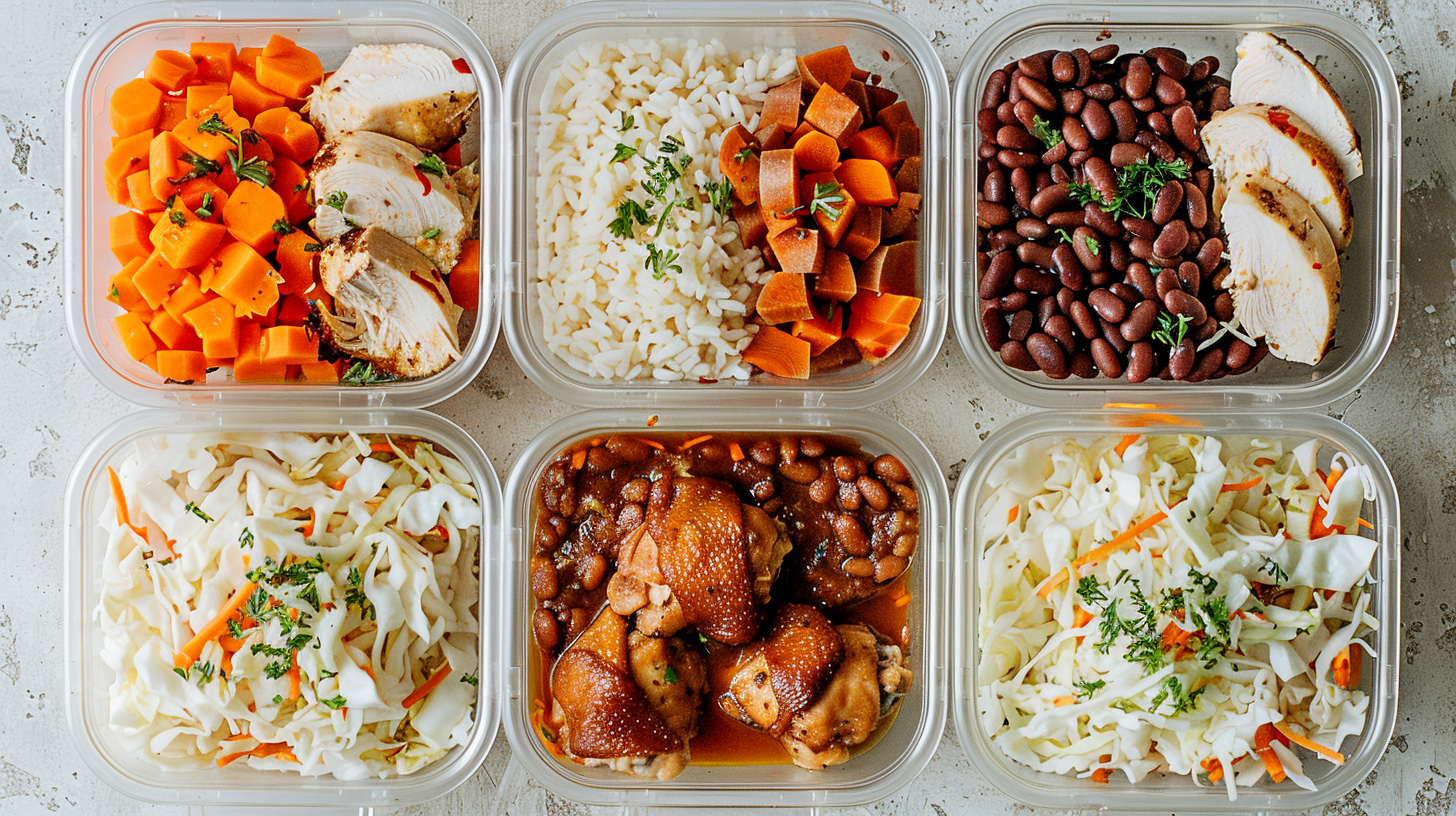
Budget meal prep often fails for one reason: people only focus on grocery price, not on how food is used across the week. A low-cost shopping list is not enough if half of it spoils or if the final meals are repetitive and unsatisfying. The goal is not only to spend less. The goal is to get reliable lunches from Monday to Friday with minimal waste, practical prep time, and enough variety that you do not abandon the plan by Wednesday.
This guide gives you a realistic five-day system built around ingredient overlap. You will use affordable staple ingredients in multiple ways, so each purchase serves more than one meal. You will also learn where to spend and where to save, how to estimate cost per lunch, and how to build a prep routine that fits normal schedules.
The Right Budget Mindset
Trying to make every ingredient the cheapest possible usually leads to poor quality and lower satisfaction. Instead, budget planning should follow this rule: buy low-cost foundations, then choose one or two quality flavor items to keep meals enjoyable. If lunches are enjoyable, the system is sustainable. If everything tastes flat, you will end up buying takeout, and the budget collapses anyway.
Think in tiers. Tier one is your low-cost base: grains, beans, seasonal vegetables, eggs, and frozen produce. Tier two is your targeted upgrade: a good olive oil, a flavorful spice blend, or a higher-quality protein used strategically. This approach keeps cost predictable while improving taste and consistency.
How to Calculate Cost Per Serving Without Complex Spreadsheets
You do not need complicated tracking tools. For weekly lunch prep, use a fast estimate method:
- Total the cost of ingredients purchased specifically for lunch prep.
- Subtract obvious leftovers you did not use this week.
- Divide by number of prepared lunches.
Example: if you spent $38 on lunch prep ingredients and used about $34 of those ingredients for five meals, your average cost is about $6.80 per lunch. The exact number does not have to be perfect. What matters is trend direction. If next week you reduce waste and use more pantry staples, you might drop to $5.90 per lunch with similar quality.
A Practical Shopping Plan for Five Lunches
Below is a sample structure that balances cost and variety:
- Base: 2 cups dry brown rice or barley.
- Protein 1: 1.5 pounds chicken thighs or turkey.
- Protein 2: 2 cans chickpeas or black beans.
- Vegetables: carrots, onions, cucumbers, cabbage, frozen broccoli.
- Flavor: garlic, lemon, yogurt, mustard, spice blend.
- Crunch/add-ons: sunflower seeds or roasted peanuts.
Every item can appear in multiple combinations. Cabbage can be a slaw one day, a sauteed side the next day, and a bowl topping later. The same lemon can season protein, sauces, and salads. When ingredients have multiple uses, your cost per serving drops naturally.
The 90-Minute Budget Prep Session
A short prep session is more sustainable than an all-day cooking marathon. Use this sequence:
- Start grain in a pot or rice cooker.
- Season chicken with salt, pepper, and spice blend; roast or pan-cook.
- Roast carrots and onions on one tray.
- Rinse beans and prepare a quick bean salad with lemon and herbs.
- Shred cabbage and slice cucumbers for raw components.
- Mix two sauces: yogurt mustard and lemon garlic vinaigrette.
- Portion containers after foods cool down.
This flow reduces friction and uses minimal equipment. If you cook both proteins on the same day, weekday assembly becomes fast. You can still adjust flavor with sauces and toppings to avoid repetition.
Where to Save More Without Lowering Meal Quality
- Use frozen vegetables strategically: They are often cheaper, already prepped, and reduce spoilage risk.
- Choose chicken thighs over breast in many recipes: usually more affordable and more forgiving during reheating.
- Rely on beans as partial protein replacement: they reduce cost while adding fiber and texture.
- Buy in functional bulk: grains, dried lentils, and spices if you use them weekly.
- Plan one "leftover bridge" lunch: Friday is ideal for combining remaining portions.
How to Reduce Waste Week After Week
Waste usually comes from buying more variety than your routine can handle. Keep your ingredient count focused. A common mistake is purchasing five different vegetables with no specific plan for each. Instead, choose three vegetables and define their exact roles in advance: one for roasting, one for raw crunch, one for fast stir-fry. Role-based planning prevents neglected produce.
Another simple strategy is "partial prep." If you know your week can change unexpectedly, prep only three full lunches and keep ingredients for two quick-assembly lunches. This protects against schedule disruptions and prevents unopened containers from sitting too long.
Flavor Upgrades That Cost Very Little
Budget meals do not need to taste plain. High-value flavor upgrades include:
- Acid: lemon juice, vinegar, or pickled vegetables.
- Heat: chili flakes or mild hot sauce.
- Aromatics: garlic, onion, ginger powder.
- Freshness: parsley, cilantro, or green onions.
- Crunch: toasted seeds, chopped nuts, or cabbage slaw.
Use one or two upgrades per meal, not all at once. Controlled variation keeps bowls interesting and prevents flavor fatigue without increasing cost dramatically.
Sample 5-Day Budget Lunch Menu
Monday: Rice bowl with roasted chicken, carrots, cabbage slaw, yogurt mustard sauce.
Tuesday: Bean and grain bowl with cucumbers, onions, lemon vinaigrette, sunflower seeds.
Wednesday: Warm grain bowl with chicken, broccoli, garlic lemon dressing.
Thursday: Chickpea slaw bowl with roasted vegetables and light yogurt sauce.
Friday: Leftover bridge bowl using remaining grains, proteins, and fresh crunch toppings.
This menu offers different textures and flavors while reusing the same core ingredients. That is the key to budget efficiency: intelligent repetition, not constant novelty.
Final Takeaway
A budget lunch system succeeds when it is practical enough to repeat. Keep your shopping list focused, assign each ingredient a role, prep in a fixed workflow, and track only simple cost trends. You do not need perfect numbers or complicated charts. You need a method that saves money, reduces daily decision stress, and delivers meals you actually want to eat.
Next step: read Safe Storage and Reheating for Packed Lunches so your prep quality stays strong through the week.