
Protein-Forward Vegetarian Lunches That Stay Full
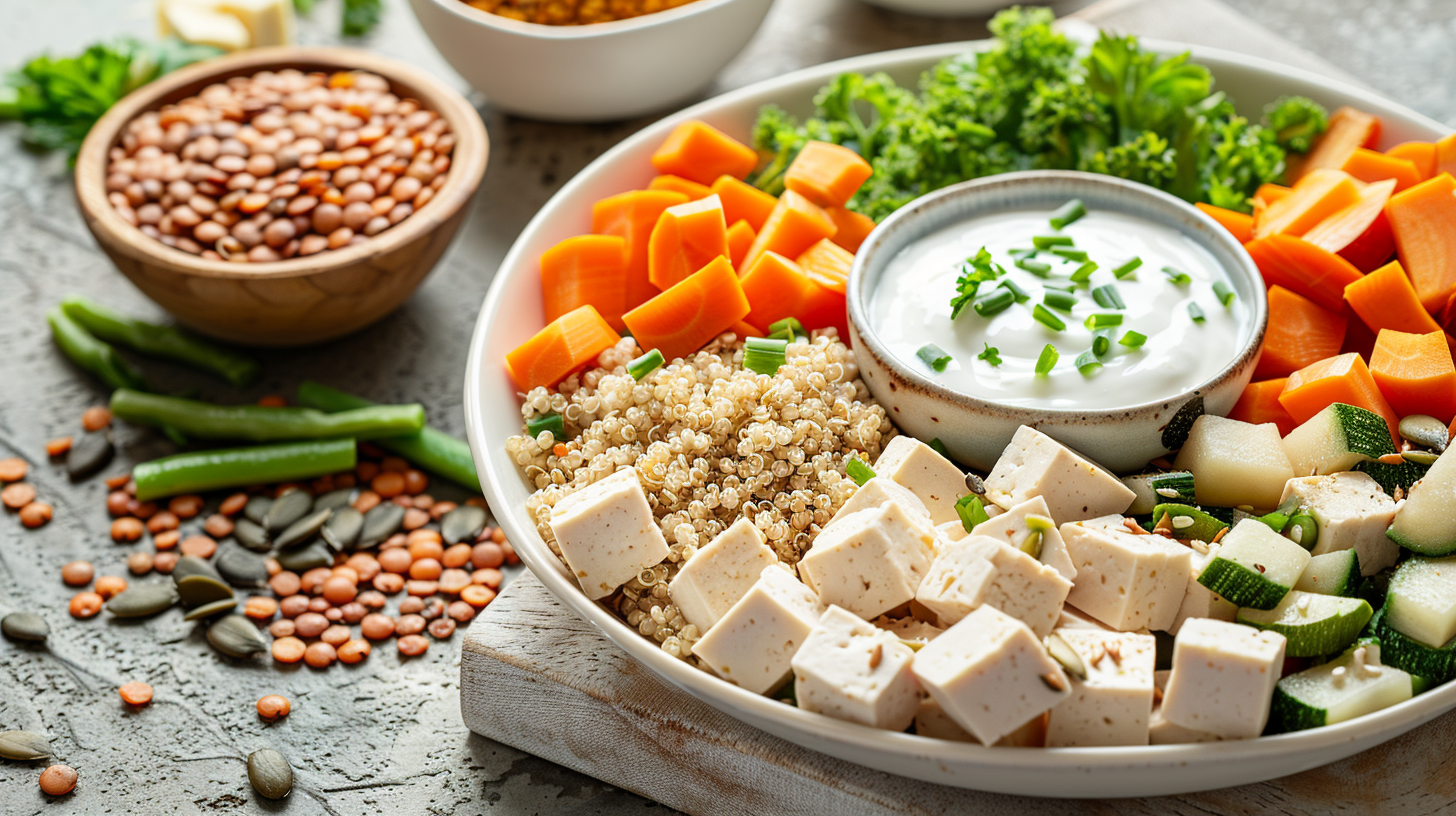
Vegetarian lunches are often praised for freshness, but many people stop preparing them because they feel hungry again too soon. The issue is not vegetarian food itself. The issue is meal composition. A bowl based only on greens and light toppings may look healthy, yet it can lack enough protein, fiber, and sustained energy. This guide shows how to build vegetarian lunches that remain practical, balanced, and satisfying through the afternoon.
What Makes a Vegetarian Lunch Filling
Satiety usually comes from the combination of protein, fiber, healthy fat, and meal volume. Remove one of these and many lunches feel incomplete. In vegetarian meal prep, protein is the most commonly underbuilt element. A lunch can include vegetables, grains, and flavor, but still fall short if protein is only added as a garnish.
A simple target is to include at least one major protein anchor per meal and one secondary support. Example: lentils as the anchor and yogurt sauce as the support. Or tofu as the anchor and seeds as the support. This dual-layer approach is more reliable than trying to force one ingredient to do everything.
High-Value Vegetarian Protein Options
- Lentils and beans for low-cost bulk and fiber.
- Tofu and tempeh for texture range and adaptability.
- Greek yogurt, cottage cheese, or hard cheeses for quick protein boosts.
- Egg-based preparations like mini frittatas for prep convenience.
- Nuts and seeds as supporting ingredients, not primary protein.
Each option has a different role. Beans and lentils are excellent for batch meals. Tofu and tempeh are strong for stir-fries and grain bowls. Dairy additions can increase protein fast when prep time is limited. Seeds and nuts improve texture and nutrition but should complement stronger protein sources.
The Vegetarian Lunch Build Method
- Choose one primary protein anchor.
- Add a whole-food carbohydrate base, such as quinoa, barley, or roasted potatoes.
- Add two vegetables with different textures.
- Add a flavor layer: dressing, spice, herbs, or pickled component.
- Finish with a support protein or healthy fat topping.
This method supports both nutrition and enjoyment. It also helps with shopping because your plan is built on repeatable categories instead of random recipe collections.
A Practical 2-Protein Prep System
For busy weeks, prepare two vegetarian protein sources on prep day. One can be warm and savory, the other can be cold and quick-assembly. Example setup:
- Protein one: roasted spiced chickpeas or lentils.
- Protein two: marinated baked tofu cubes.
- Support option: yogurt herb dip or boiled eggs if compatible with your preferences.
This setup allows multiple lunch formats: warm bowls, cold salads, wraps, or box lunches. Flexibility is a major factor in long-term consistency.
Texture and Flavor in Vegetarian Meal Prep
Protein alone does not guarantee a satisfying meal. Texture and flavor contrast are essential. Combine creamy and crunchy elements in the same meal. For example, roasted chickpeas, soft grains, and crisp cabbage slaw create a more complete experience than soft ingredients alone.
Flavor balance matters too. Many vegetarian dishes improve with acidity from citrus or vinegar. Add fresh herbs at serving time for brightness. Use spices intentionally and avoid over-salting one component to compensate for blandness elsewhere. A layered flavor strategy keeps meals interesting all week.
Five Vegetarian Lunch Combinations
1) Lentil Grain Bowl: Brown lentils, quinoa, roasted carrots, cucumbers, lemon tahini, parsley.
2) Tofu and Broccoli Bowl: Baked tofu, brown rice, steamed broccoli, sesame dressing, toasted seeds.
3) Bean Salad Lunch Box: White beans, chopped peppers, tomatoes, olives, vinaigrette, whole-grain pita.
4) Egg and Potato Bento: Boiled eggs, roasted potatoes, cabbage slaw, yogurt mustard dip.
5) Tempeh Wrap Kit: Pan-seared tempeh strips, shredded lettuce, yogurt sauce, whole-grain wraps packed separately.
Cost-Smart Tips for Vegetarian Prep
Vegetarian lunches can be highly cost-effective when built around staples. Dried lentils, canned beans, and seasonal produce lower cost significantly. If tofu or dairy products are expensive in your area, use them strategically as secondary components while relying on legumes for the main protein load. Buy spices in practical quantities and rotate them through weekly menus so they are used consistently.
Common Mistakes in Vegetarian Lunch Planning
- Using only salad greens without dense protein anchors.
- Adding nuts and calling it a full protein strategy.
- Relying on one flavor profile all week.
- Skipping reheating strategy for tofu and grain dishes.
- Ignoring texture and ending up with repetitive soft meals.
Fixing these mistakes usually requires minor adjustments, not complete overhauls.
A Weekly Vegetarian Template You Can Repeat
If you want vegetarian lunches to be consistent, use a simple weekly template instead of creating new plans from scratch. Monday and Tuesday can use one protein anchor, Wednesday can be a refresh day, and Thursday and Friday can use a second anchor. For example, start with lentils and grains on Monday and Tuesday, then switch to tofu and vegetable bowls on Thursday and Friday. Midweek, refresh fresh ingredients like herbs, cucumbers, and sauces. This structure lowers decision fatigue and keeps quality higher by day five.
Use one flavor profile per two-day block to reduce prep complexity. A citrus-herb profile might run early in the week, and a warm spice profile can run later. You keep variety without needing a long ingredient list. This is especially useful when your schedule changes often and you cannot commit to large prep sessions.
Practical Protein Targeting Without Overcomplication
Many readers ask how much protein should be in a vegetarian lunch. Exact numbers vary by person, but a practical method is to set a minimum anchor size per container. That can mean a full serving of lentils, a substantial tofu portion, or a combined strategy such as beans plus yogurt dip. If your lunches repeatedly leave you hungry, increase protein anchor size first before adding extra snack foods. This keeps meals balanced and often improves afternoon focus.
It also helps to distribute protein throughout the week instead of loading one day heavily and another day lightly. Consistent lunch composition usually leads to better routine adherence and fewer sudden energy dips.
Final Takeaway
Vegetarian lunches can be deeply satisfying when planned with intention. Anchor each meal with substantial protein, maintain texture variety, and use a repeatable prep method. This approach supports energy, helps reduce decision fatigue, and keeps meals enjoyable across busy weeks.
Next step: read Lunchbox Ideas for Families With Different Tastes to adapt these principles across multiple eaters.